Industry Insights
The Global Plastics Treaty in 2026
Jan 31, 2026
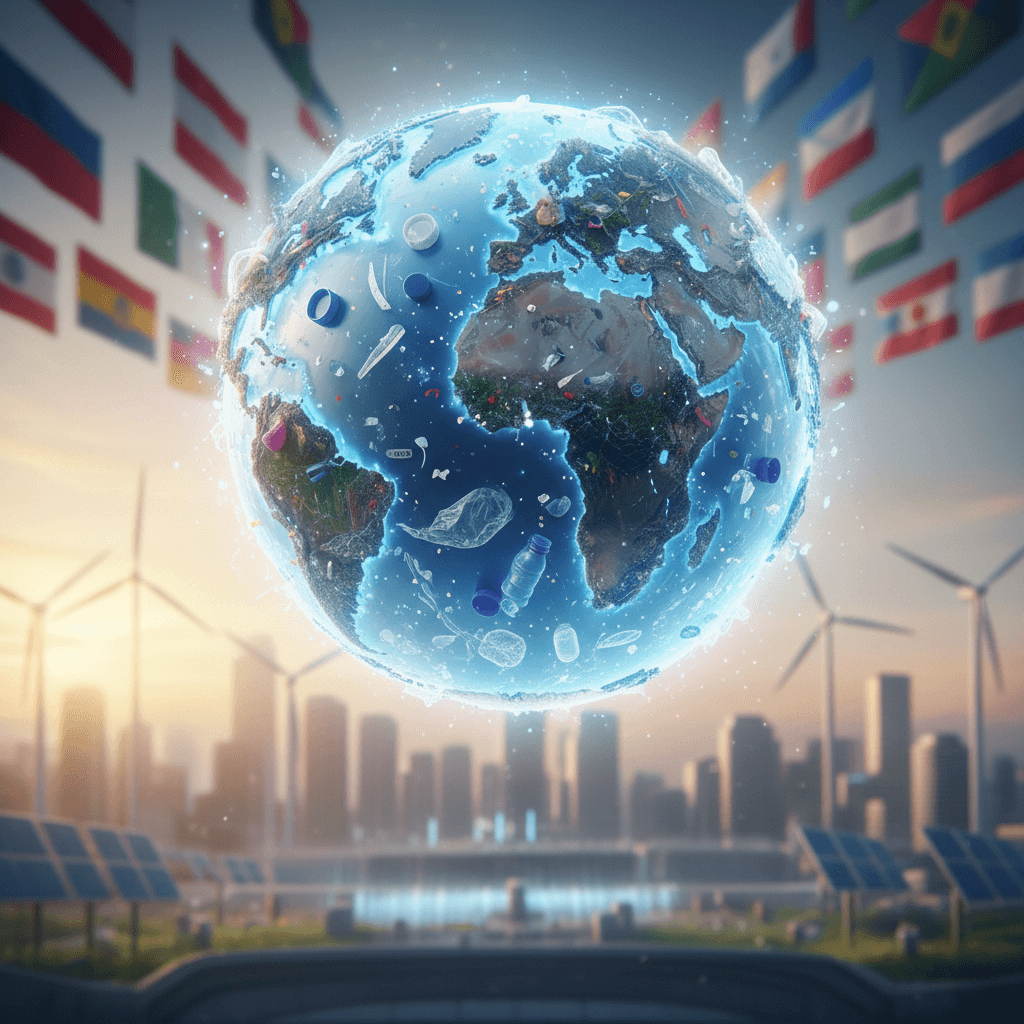
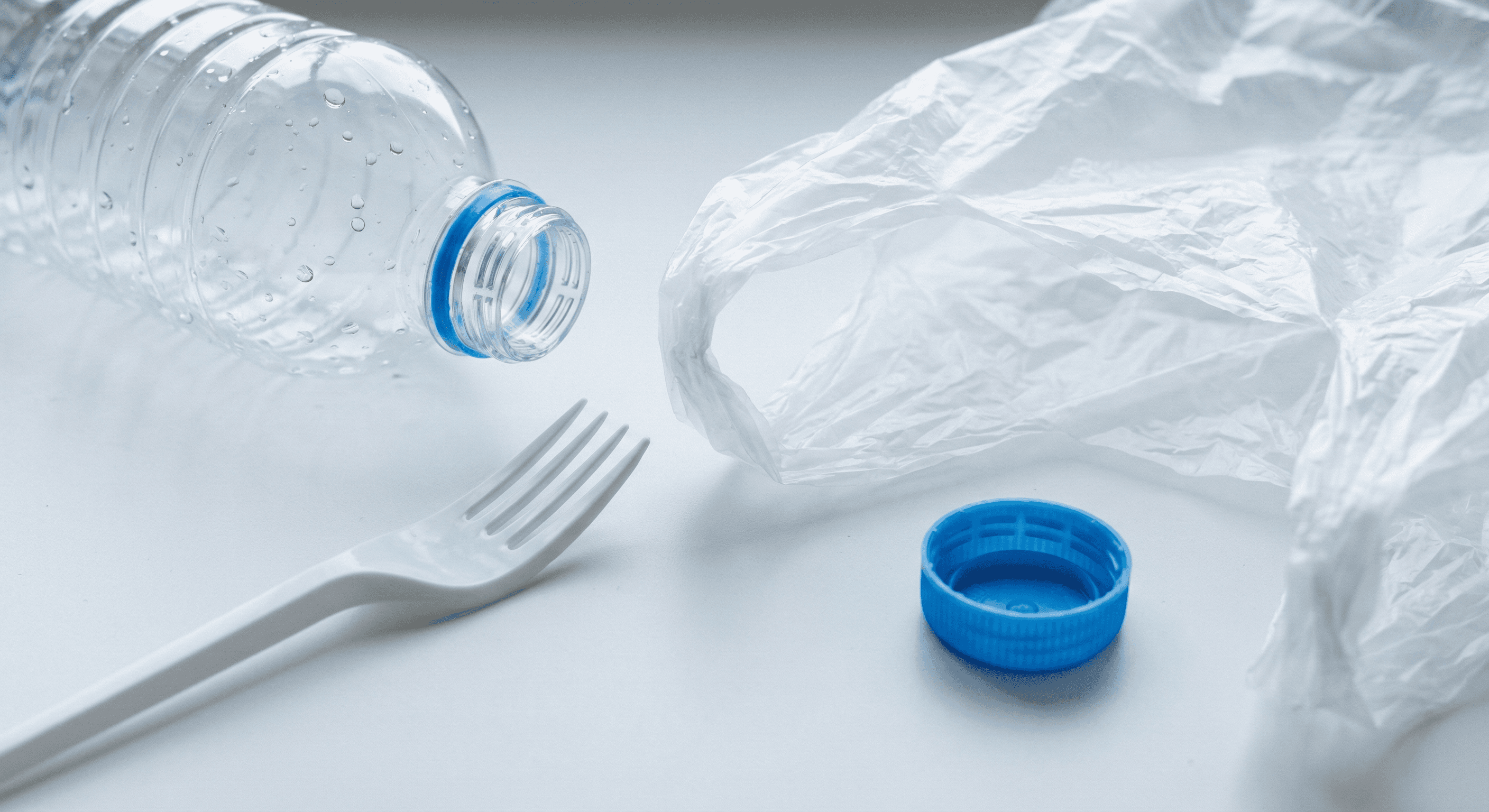
The Global Plastics Treaty is an international legally binding instrument initiated by the UN to end plastic pollution across the full lifecycle of the material. However, negotiations reached a stalemate at INC-5.2 in August 2025 due to a deadlock between nations pushing for production caps and those prioritizing waste management. The next session, INC-5.3, is scheduled for February 7, 2026, in Geneva, primarily to elect new leadership and salvage the timeline. While diplomats argue over bans, the private sector is pivoting to innovations that allow plastics to retain their utility while enabling degradation.
The State of the Treaty: A 2026 Status Report
To understand why innovation is urgent, we must look at the current diplomatic paralysis. According to the UN Environment Programme (UNEP), the treaty negotiations have split into two entrenched camps:
The High Ambition Coalition: Led by nations like Rwanda and Norway, this group argues that recycling alone cannot solve the crisis. They demand a hard cap on virgin polymer production.
The Like-Minded Group: Comprising major petrochemical producers, this group argues that plastic itself isn't the enemy, mismanagement is. They push for circularity without reducing supply.
The 2026 Stumbling Block: Following the resignation of Chair Luis Vayas Valdivieso, the INC-5.3 session (Feb 7, 2026) will not debate the text. It will focus solely on electing new leadership. This administrative pause creates a dangerous gap where industry uncertainty reigns, risking a delay in implementation until 2027.
The Third Way: Programmable Degradation
The binary debate—Ban it vs. Recycle it—ignores a third option: Evolving the material.
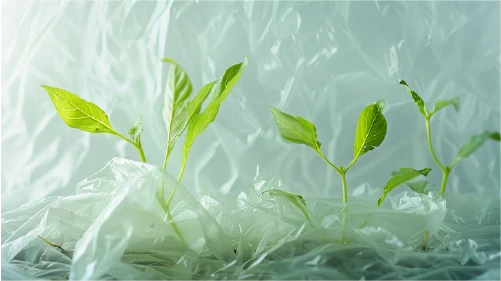
If plastic is essential for modern medicine, food security, and logistics, the goal shouldn't be to eliminate it, but to strip it of its worst feature: Permanence. This is where Tunable Degradation comes in. Instead of relying on consumers to find the right recycling bin, the material is engineered to dismantle itself at the molecular level after its useful life is over.
EvoNatura’s Plug-In Technology
While the UN deliberates, startups are deploying. A prime example of this new wave of material science is what we are doing at EvoNatura, a climate-tech startup accelerated by the MassChallenge 2025 Climate Cohort.
EvoNatura’s core technology is a built-in degradation system:
How it works: Rather than forcing manufacturers to buy expensive new machinery, EvoNatura’s solution acts as an additive for existing production lines.
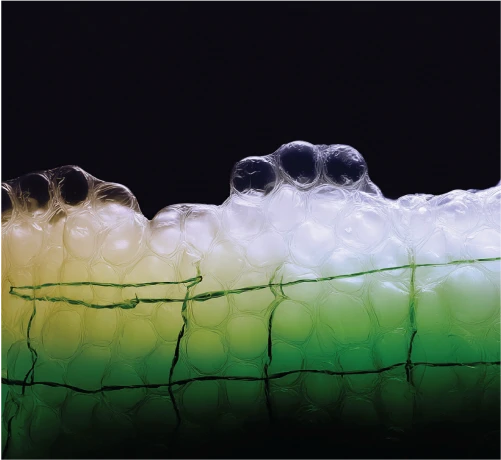
The Timer Mechanism: The technology allows manufacturers to set a specific degradation timer. A mulch film for agriculture can be programmed to degrade in 6 months, while a rigid container might last 2 years.
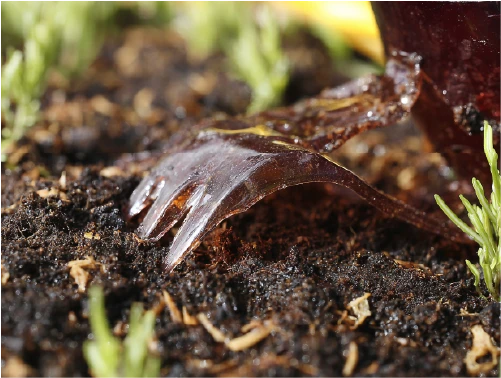
Molecular Dismantling: Unlike oxo-degradables that merely shatter into invisible microplastics, this technology is designed to break down at the polymer chain level, rendering the material benign to the environment.
Why this matters for the Treaty: EvoNatura proves that Extended Producer Responsibility (EPR)—a key tenet of the treaty—is economically viable. By giving manufacturers control over the end of their product, companies can ensure compliance with future pollution mandates without sacrificing performance.
The Economic Case: De-Risking the Transition
The hesitation from the petrochemical nations is largely economic. They fear that capping production will destroy jobs and supply chains. Innovations like EvoNatura’s offer a Just Transition:
Job Security: Factory workers keep their jobs because the machinery doesn't change; only the feedstock recipe does.
Scalability: Because our additive integrates into current supply chains, it bypasses the Green Premium that makes most sustainable alternatives too expensive for developing nations.
From Stagnation to Solutions
The upcoming INC-5.3 session in Geneva may be administrative, but the message it sends is clear: Politics is slow; innovation is fast.
For the Global Plastics Treaty to succeed, it must stop treating plastic as a monolith. We need a regulatory framework that distinguishes between zombie plastics (which last forever) and smart materials like those from EvoNatura that serve a purpose and then leave no trace.
The future isn't plastic-free. It's plastic-intelligent.
FAQ: The Global Plastics Treaty
What is the goal of the Global Plastics Treaty?
The goal is to establish an international legally binding instrument to end plastic pollution. This includes measures to promote sustainable production and consumption of plastics, including product design and waste management.
When will the Global Plastics Treaty be finalized?
Negotiations were originally scheduled to conclude by the end of 2024. However, due to delays, the timeline has extended into 2026. The next critical milestone is the INC-5.3 meeting on February 7, 2026, which aims to resolve leadership issues so substantive talks can resume.
How does EvoNatura’s technology differ from traditional recycling?
Traditional recycling relies on collecting and processing waste, which often fails due to contamination or lack of infrastructure (recycling rates are currently ~9% globally). EvoNatura’s technology is proactive—it programs the plastic to degrade safely if it escapes the collection system, acting as a safety net against pollution.
Will the treaty ban single-use plastics?
It is likely that the final treaty will include restrictions on specific problematic and avoidable plastic products, such as single-use cutlery and sachets. However, the extent of these bans is a major point of contention between the High Ambition Coalition and petrochemical states.
What is the Tunable Degradation approach?
Tunable degradation refers to polymer technologies that allow scientists to control how long a plastic item lasts before it breaks down. This ensures that a product (like a strawberry container) lasts exactly as long as needed for its function, but not for centuries in a landfill.