Three Generations.
One family's mission: plastic that doesn’t outlive us.
“We believe that our legacy is not our stories. It is the materials we leave behind.”
Everything in nature has an expiration date, yet plastic is designed to last forever. When we realized that every single piece of plastic ever used in our lifetime still exists and will outlive our grandchildren, we stopped waiting for someone else to solve it.
“We believe that our legacy is not our stories. It is the materials we leave behind.”
Everything in nature has an expiration date, yet plastic is designed to last forever. When we realized that every single piece of plastic ever used in our lifetime still exists and will outlive our grandchildren, we stopped waiting for someone else to solve it.
“We believe that our legacy is not our stories. It is the materials we leave behind.”
Everything in nature has an expiration date, yet plastic is designed to last forever. When we realized that every single piece of plastic ever used in our lifetime still exists and will outlive our grandchildren, we stopped waiting for someone else to solve it.
What Drives Us
Vision
Our Vision
To create a world where plastic doesn’t outlive us.
Mission
Our Mission
To eliminate the trade-off between performance and planet by providing simple, scalable biodegradation technology that enables a truly waste-free world.



Our Story

2002
The Seed of Change
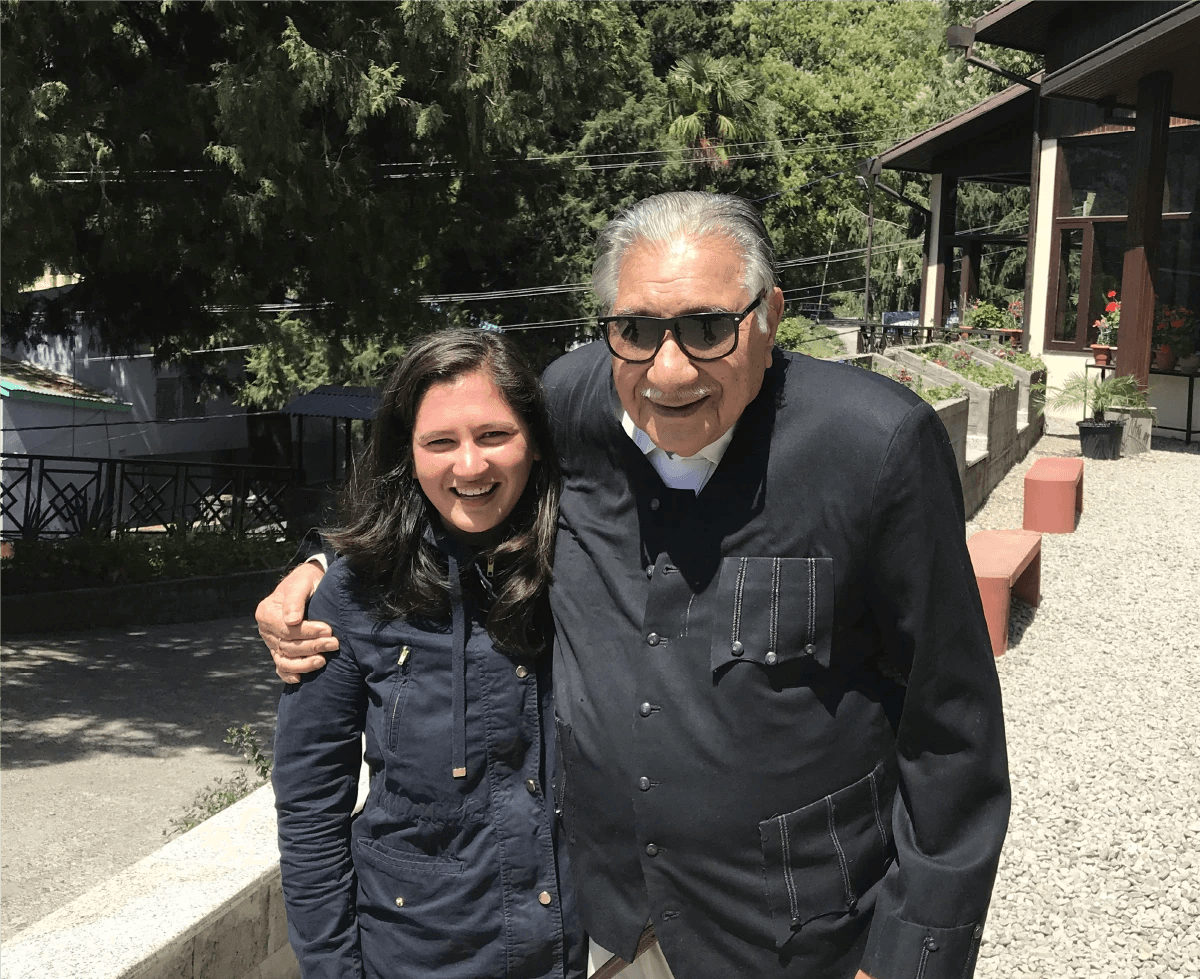
Our story starts with Shri Lalit Prasad Naithani who advocated for a regional plastic ban. His work demonstrated that action drives progress. He set a practical example of environmental action—one that continues to shape our work.
The Question That Wouldn't Quit
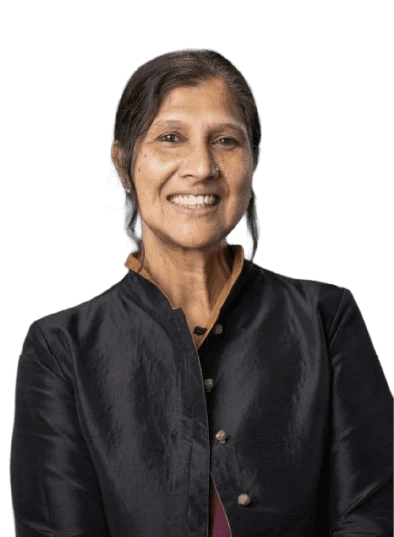
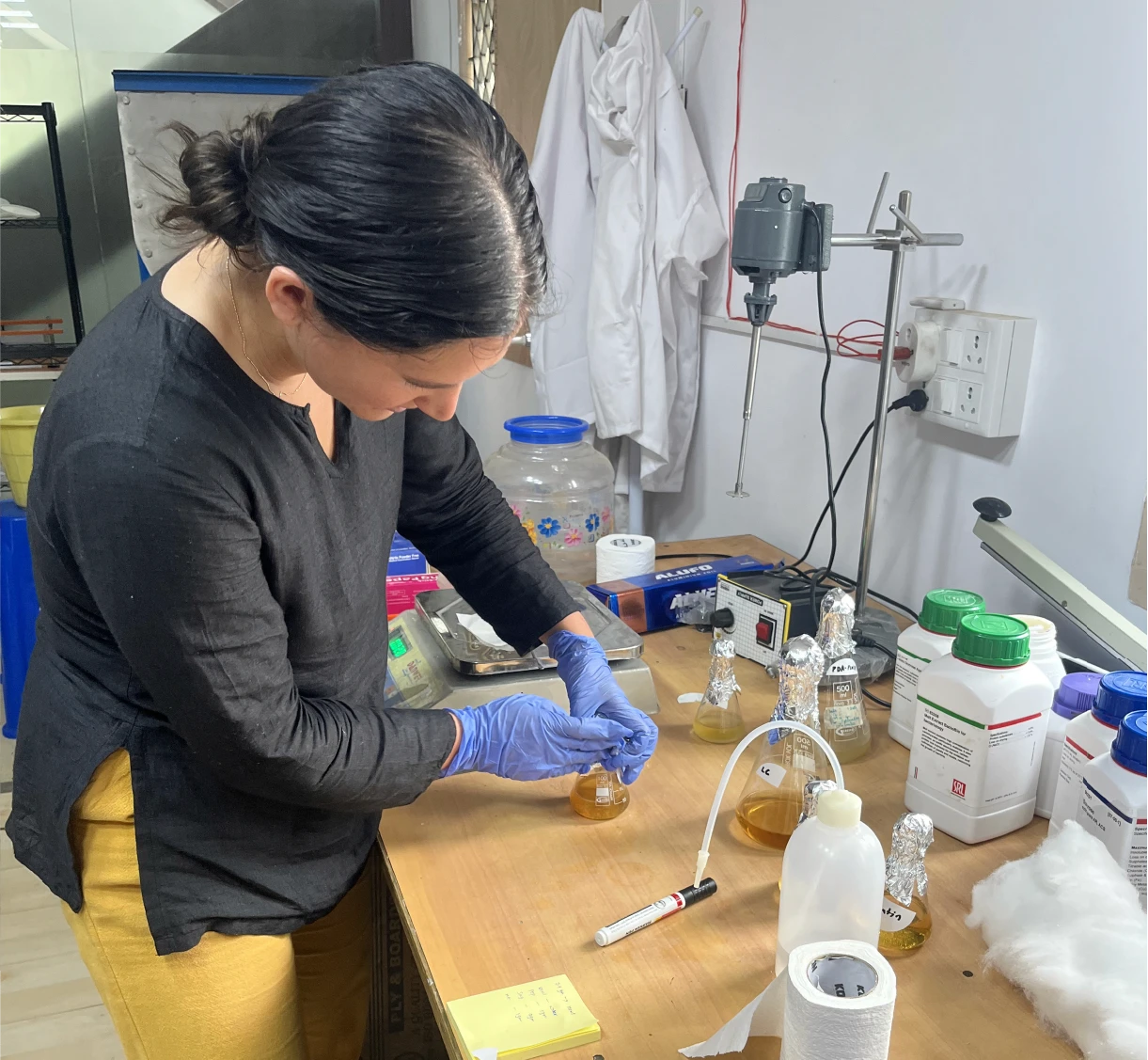
Priyanka’s early interest in microbes and natural decomposition, combined with Alka’s lifelong environmental commitment, led to one persistent idea. One question that kept coming back: Could we design materials that break down the way nature intended? What if plastics worked with nature instead of against it? That curiosity gave birth to EvoNatura.
2022
2024
The Branch of Innovation
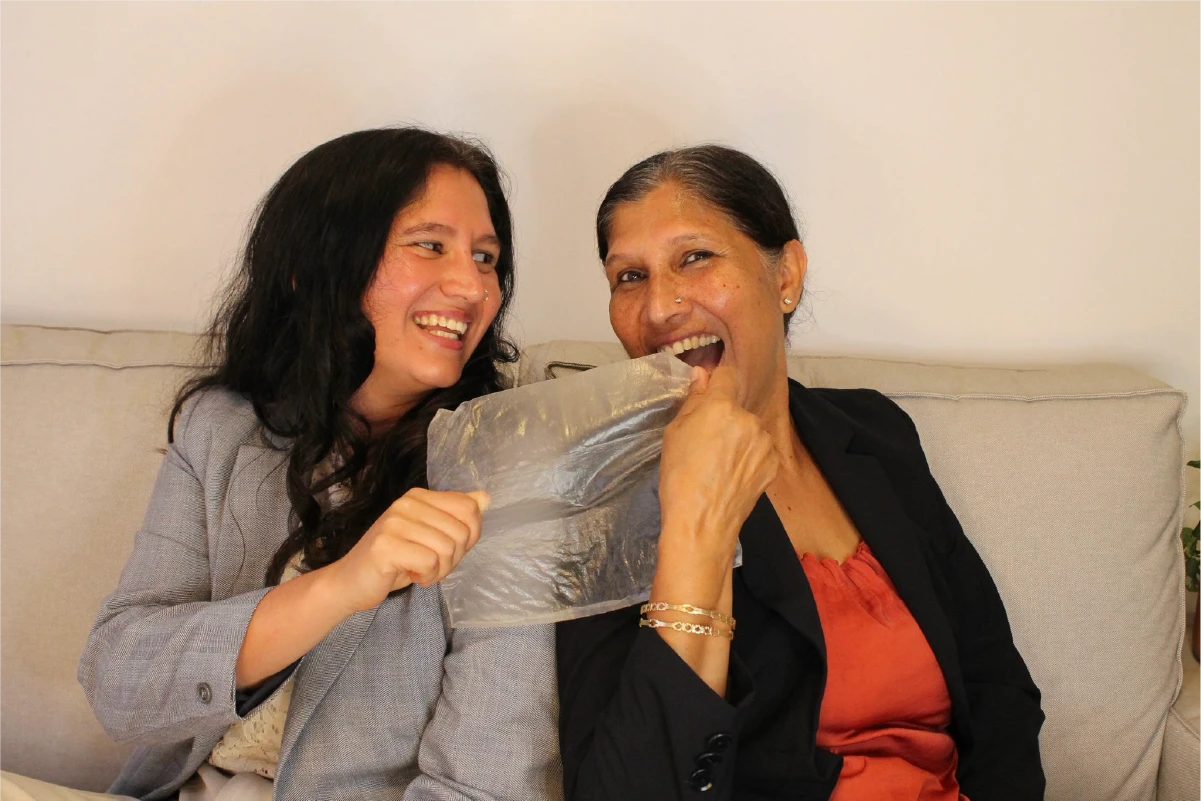
Today, our technology brings that question to life. Our 'aha' moment came when we realized that many so-called compostable plastics simply swap one environmental problem for another. They are designed to be temporary, yet often act like traditional plastic, lasting for decades in landfills.
That’s why we engineer our additives to work where materials actually end up: in soil, water, and home compost. We don't fight against plastic; we provide the expiration date it always needed.
We're driven by the belief that human beings are all temporary and so our materials should be too.
Our Story
2002
The Seed of Change
Our story starts with Shri Lalit Prasad Naithani who advocated for a regional plastic ban. His work demonstrated that action drives progress. He set a practical example of environmental action—one that continues to shape our work.
The Question That Wouldn't Quit
Priyanka’s early interest in microbes and natural decomposition, combined with Alka’s lifelong environmental commitment, led to one persistent idea. One question that kept coming back: Could we design materials that break down the way nature intended? What if plastics worked with nature instead of against it? That curiosity gave birth to EvoNatura.
2022
2024
The Branch of Innovation
Today, our technology brings that question to life. Our 'aha' moment came when we realized that many so-called compostable plastics simply swap one environmental problem for another. They are designed to be temporary, yet often act like traditional plastic, lasting for decades in landfills.
That’s why we engineer our additives to work where materials actually end up: in soil, water, and home compost. We don't fight against plastic; we provide the expiration date it always needed.
We're driven by the belief that human beings are all temporary and so our materials should be too.
Our Story
2002
The Seed of Change
Our story starts with Shri Lalit Prasad Naithani who advocated for a regional plastic ban. His work demonstrated that action drives progress. He set a practical example of environmental action—one that continues to shape our work.
The Question That Wouldn't Quit
Priyanka’s early interest in microbes and natural decomposition, combined with Alka’s lifelong environmental commitment, led to one persistent idea. One question that kept coming back: Could we design materials that break down the way nature intended? What if plastics worked with nature instead of against it? That curiosity gave birth to EvoNatura.
2022
2024
The Branch of Innovation
Today, our technology brings that question to life. Our 'aha' moment came when we realized that many so-called compostable plastics simply swap one environmental problem for another. They are designed to be temporary, yet often act like traditional plastic, lasting for decades in landfills.
That’s why we engineer our additives to work where materials actually end up: in soil, water, and home compost. We don't fight against plastic; we provide the expiration date it always needed.
We're driven by the belief that human beings are all temporary and so our materials should be too.
Ready to Lead the Next Era of Plastics?
Join our 2026 commercial pilot program, offering co-development input, early-access pricing, and regulatory first-mover advantage.
Ready to Lead the Next Era of Plastics?
Join our 2026 commercial pilot program, offering co-development input, early-access pricing, and regulatory first-mover advantage.
Ready to Lead the Next Era of Plastics?
Join our 2026 commercial pilot program, offering co-development input, early-access pricing, and regulatory first-mover advantage.