Our Journey
Eco-Friendly Plastic Alternatives
Feb 12, 2026
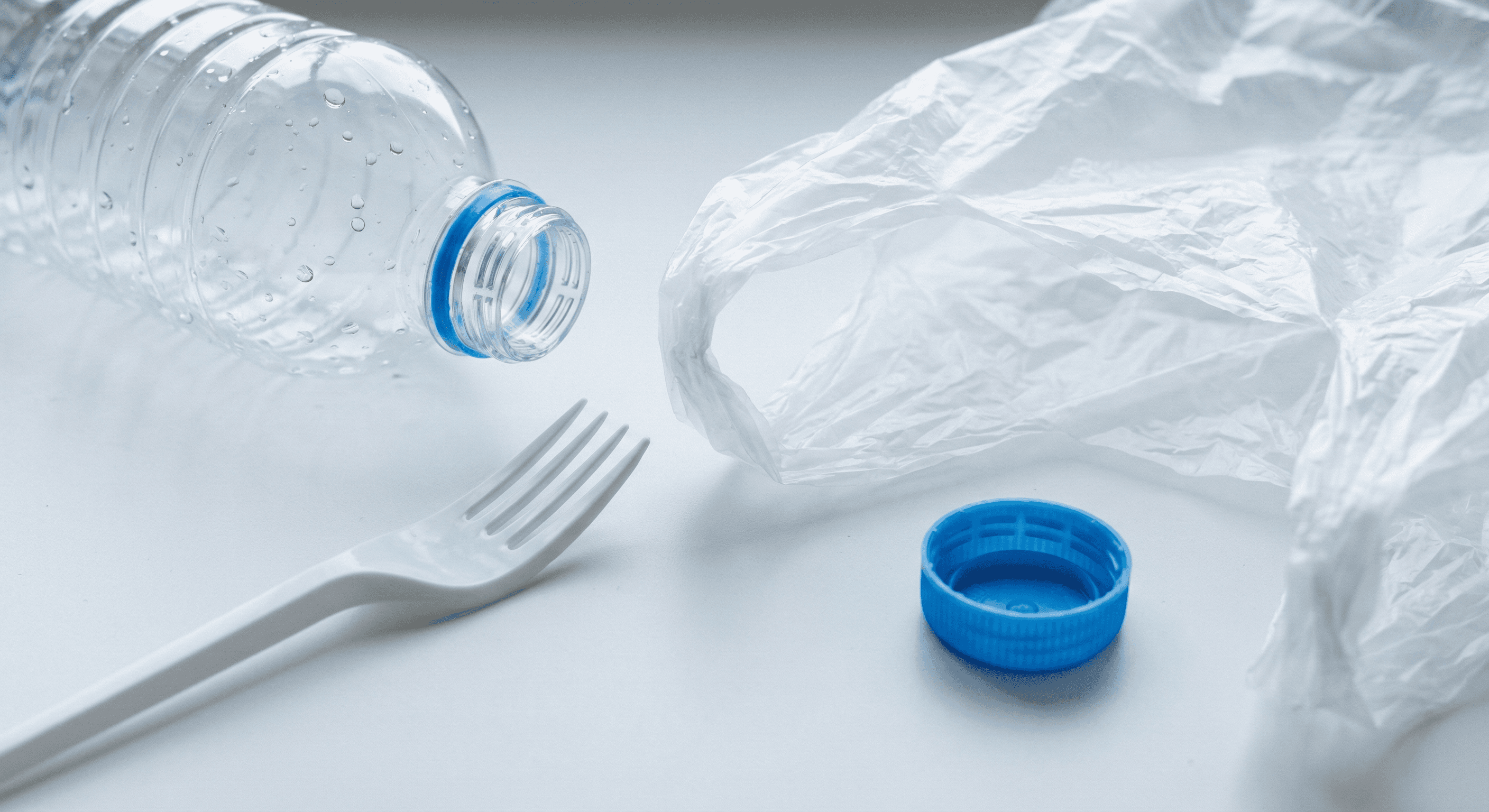
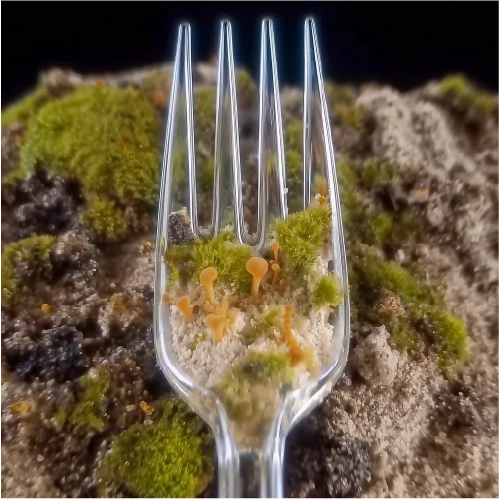
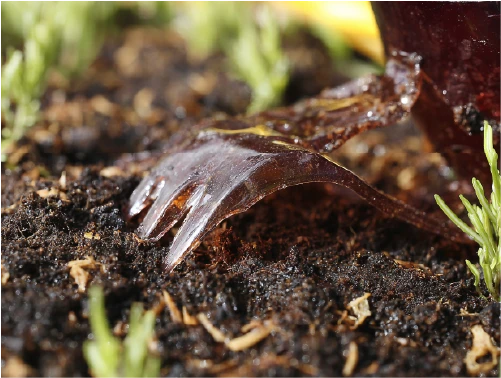
The best eco-friendly plastic alternatives for household products depend entirely on the specific application. For long-term durability and safety, Stainless Steel and Borosilicate Glass are the gold standards, offering infinite recyclability without leaching chemicals. For single-use disposables like cutlery and plates, Bamboo, Bagasse (sugarcane fiber), and Mycelium are superior choices that naturally biodegrade. However, flexible packaging remains the industry's biggest challenge; while PLA and Starch Blends are the current market leaders, they often struggle with heat resistance and typically require industrial composting facilities. The future of sustainable packaging lies in Enhanced Commodity Plastics—standard plastics (like PE and PP) programmed with microbial additives to biodegrade fully—a scalable solution that companies like EvoNatura are actively researching to bridge the gap between high performance and environmental responsibility.
The EvoNatura Journey: Why "Plastic-Free" Isn't Always the Answer
When I co-founded Evonatura, I started where many sustainability enthusiasts do: with the dream of replacing plastic entirely.
Our early days were filled with experimentation. We started by making algae plastic and then pivoted to working with food waste, trying to turn what we throw away into what we use to hold our food. It was exciting, but we kept hitting walls regarding scalability and performance.
The real shift happened during a camp in Valencia, Spain, where we collaborated with Sirope Labs. We were deep in the world of biomaterials, getting our hands dirty and learning the limits of experimental materials.
It was there that I had a realization that changed the trajectory of EvoNatura. While niche alternatives like algae and starch are fantastic for specific uses, they often struggle to match the performance, shelf-life, and cost of traditional commodity plastics.
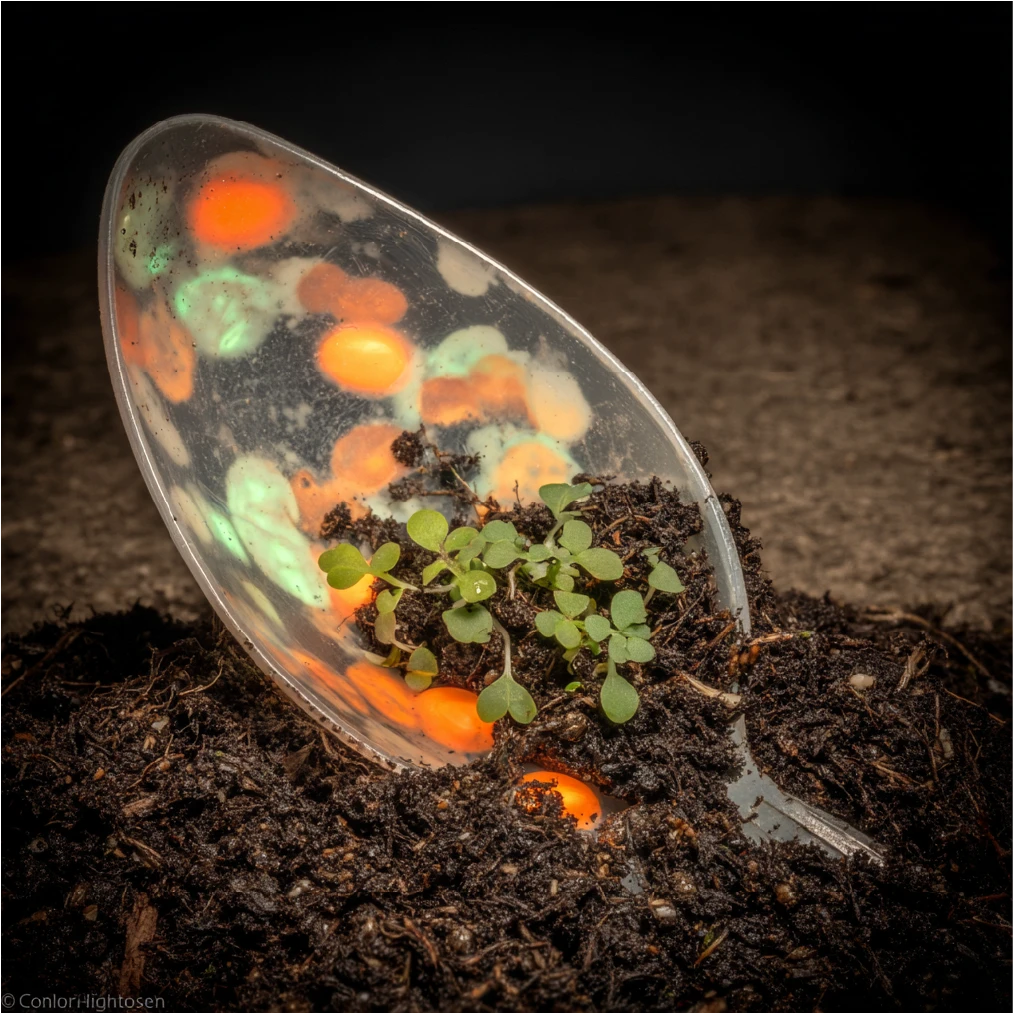
We realized that the world doesn't just need new materials; it needs the materials we already rely on to stop being immortal trash. This led us to our current mission: using microbial additives to program commodity plastics to degrade. We are making the plastic you use every day disappear when it’s done, without sacrificing the quality you expect.
1. The "Buy-For-Life" Swaps (Durability Focus)
Best for: Water bottles, food storage, and cookware.
If you only buy it once, the production footprint matters less than the lifespan. Here is how the top materials stack up against the plastic status quo.
Comparison:
Feature | Stainless Steel (304 Grade) | Borosilicate Glass | Traditional Plastic (Tupperware) | Founder's Verdict |
Lifespan | 100+ Years (Virtually Indestructible) | 50+ Years (Breakable but durable) | 3-5 Years (Scratches/Stains) | Steel Wins for travel; Glass Wins for home storage. |
Health Safety | Inert (No leaching) | Inert (No leaching) | High Risk (Microplastics & BPA leaching with heat) | Plastic degrades into your food over time. Avoid heating it. |
Recyclability | 100% Recyclable (High Value) | 100% Recyclable | <9% Actually Recycled | Metal is valuable; plastic is usually trash. |
Microwave Safe? | No | Yes | Yes (But not recommended) | Glass is the only truly safe option for reheating. |
My Pick: Switch to Borosilicate Glass for anything you put in the microwave or oven. Use Stainless Steel for anything you carry with you (water bottles, lunch tins) to avoid breakage.
2. The "True" Biodegradables (Single-Use Focus)
Best for: Toothbrushes, sponges, and party plates.
For items you throw away every few months, biodegradability is the only metric that matters.
Comparison:
Feature | Bamboo Toothbrush | Recycled Plastic Toothbrush | Standard Plastic Toothbrush | Founder's Verdict |
Handle Material | Fast-growing grass (Compostable) | Recycled PET/PP (Recyclable*) | Virgin Polypropylene (Landfill) | Bamboo handles return to the earth; plastic handles sit in landfills for 400 years. |
Bristle Material | Usually Nylon-6 (Plastic) | Nylon (Plastic) | Nylon (Plastic) | Watch out: Even bamboo brushes usually have plastic bristles. You must snap the head off before composting! |
Carbon Footprint | Low (Bamboo absorbs CO2) | Medium (Energy to recycle) | High (Oil extraction) | Bamboo is carbon negative in growth, but shipping adds to it. |
End of Life | Home Compostable (Handle only) | "Technically" Recyclable (Rarely done) | Landfill | Bamboo wins, but only if you dispose of it correctly. |
My Pick: Bamboo is the clear winner, but don't be fooled by "100% plant-based" claims unless the bristles are specifically made from castor bean oil (and even then, check the degradation time).
3. The "Enhanced" Plastics (The Future of Packaging)
Best for: Flexible packaging, trash bags, and cling film.
This is the hardest category to solve. Glass is too heavy for chip bags, and bamboo can't make cling film. This is where EvoNatura's technology comes in.
Comparison:
Feature | Enhanced Commodity Plastic (EvoNatura Tech) | PLA (Corn/Starch Plastic) | Standard Polyethylene (PE) | Founder's Verdict |
Performance | Identical to regular plastic | Brittle, low heat resistance | Excellent durability & flexibility | We need performance and end-of-life solutions. |
Disposal | Biodegrades in landfill/soil via microbes | Needs Industrial Composting (50°C+) | Lasts centuries; becomes microplastics | PLA is useless if you don't have access to an industrial composter. |
Microplastics? | No (Converted to biomass/gas) | Yes (If left in nature) | Yes (Major global pollutant) | True biodegradation means no microplastics left behind. |
Recycling | Recyclable with standard plastics | Contaminates recycling streams | Recyclable (but rarely recycled) | Enhanced plastics fit into the current system; PLA breaks it. |
My Pick: For now, reduce usage where possible. But for necessary disposables (like trash bags), look for "Home Compostable" certifications or technologies like ours that ensure degradation without special facilities.
FAQ:
Q: Why don't we just use PLA for everything?
A: PLA (Polylactic Acid) is the current market leader for biodegradable cups and containers, but it has limits. It is brittle, has low heat resistance (it melts in a hot car), and typically requires an industrial composting facility to break down. It isn't a silver bullet for flexible packaging like cling wrap.
Q: Is Silicone actually eco-friendly? It feels like plastic.
A: Silicone is a "False Friend." It is not biodegradable.
The Good: It is highly durable and doesn't leach chemicals like plastic does. It’s great for reusable baking mats or Stasher bags.
The Bad: If you throw it away, it sits there forever, just like plastic.
The Verdict: Treat silicone like glass—buy it once, keep it forever. Do not treat it as a disposable.
Q: What about "Oxo-degradable" bags?
A: Avoid these at all costs. "Oxo-degradable" plastics are conventional plastics mixed with metal salts that make them fragment into tiny pieces when exposed to UV light. They don't biodegrade; they just turn into invisible microplastic dust that enters our water and soil. Many countries are now banning them for this exact reason.