Biodegradation Breakthroughs
Cracking the Thermal Code
Dec 4, 2025
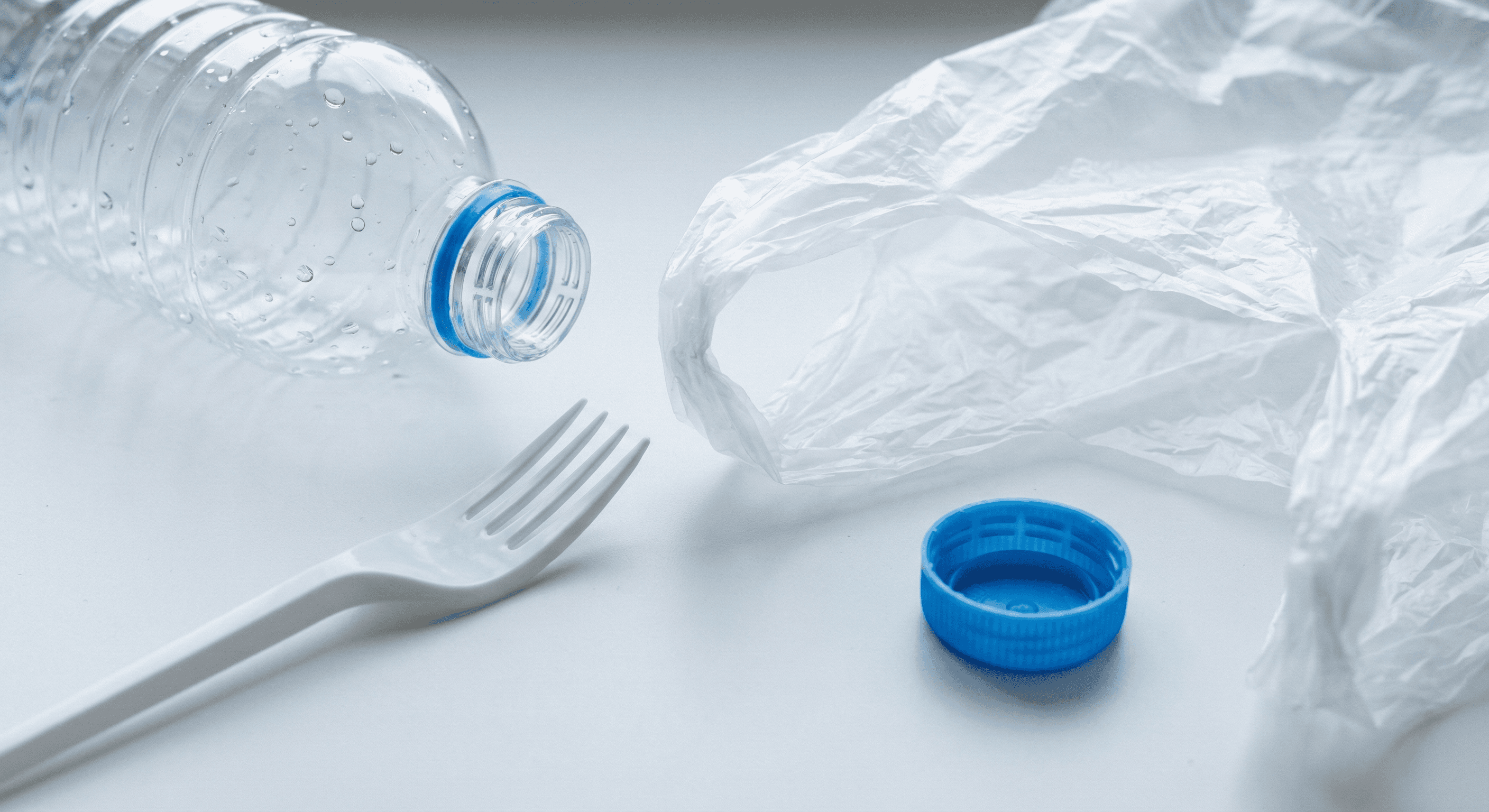
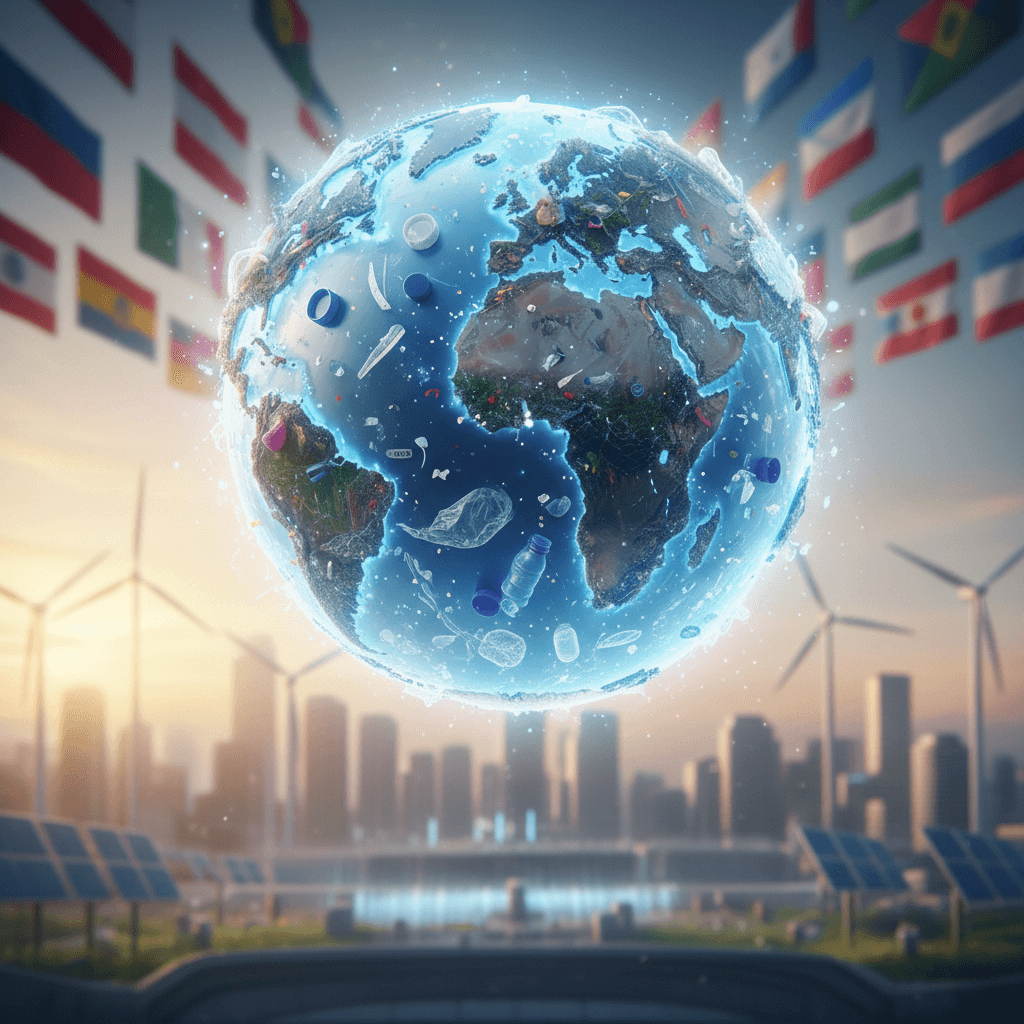
The global plastic crisis demands more than just traditional recycling. While compostable plastics are a step forward, achieving a truly sustainable, circular economy requires a breakthrough: materials that can manage their own end-of-life cycle, especially outside of controlled settings like industrial composting.
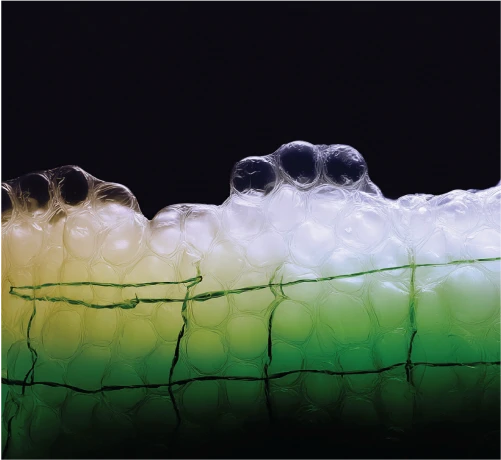
This is the frontier of Engineered Living Materials (ELMs), a concept where active biological components are integrated directly into synthetic polymers. This fusion creates materials with built-in functions, like responsive and accelerated degradation.
What gives these materials their power? We, at EvoNatura, use microbes because of their unique advantages of self-replication and enzymatic functionality.
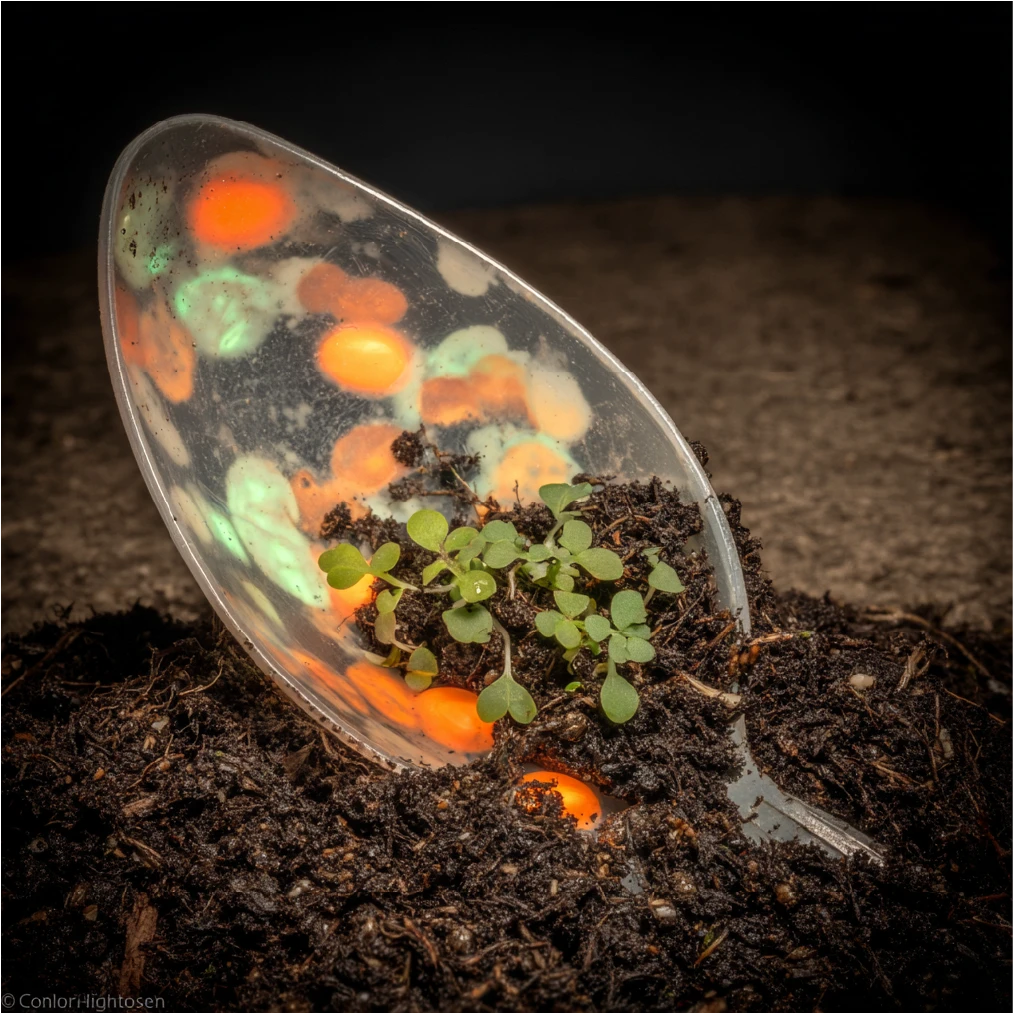
By embedding these hardy microbial units into a plastic matrix, we create a "living plastic." It remains completely stable during its useful life but becomes biologically activated under composting conditions, rapidly boosting the rate of biodegradation.
The Thermal Resilience Challenge
Turning this concept into a commercial reality faces one massive technical hurdle: the extreme heat of manufacturing. Making modern biodegradable polymers involves a process called melt extrusion, which requires high-temperature processing.
This elevated heat is inherently lethal to most biological life. Even the toughest microbial components have limits. Our primary scientific task was to create an impenetrable, customized bio-shield—an encapsulation shell—that could protect the dormant microbes from this intense thermal heat.
EvoNatura’s Encapsulation Strategy
To win this fight against heat and shear stress, we engineered a strategy of microbial encapsulation.
The encapsulation shell acts as a protective carrier, providing three crucial functions:
Thermal Buffer: It insulates the microbial units from the high external processing temperatures.
Moisture Shield: It prevents catastrophic rupture by removing internal moisture.
Mechanical Insulator: It reinforces the biological payload against the intense shear forces generated during melt mixing.
EvoNatura’s successful completion of Phase 1 of our research confirms that our encapsulation enables the thermal stability needed to integrate into a wide variety of commercial biopolymer manufacturing lines.
The Next Frontier: Mechanical Integrity
While EvoNatura’s Phase 1 focused on defeating the thermal challenge, Phase 2 of our research will focus on mechanical resilience. Industrial melt extrusion generates intense hydrodynamic shear stress that can mechanically fracture the encapsulation shells.
Phase 1 established the foundational material science needed to integrate living organisms into high-temperature plastic manufacturing. The methodology demonstrated the successful cultivation and encapsulation of robust microbes within a customized, thermally stable encapsulation shield.
By developing this engineered bio-shield, EvoNatura’s research is now moving the concept of "living plastics" from the lab to industrial pilots. This innovation secures a crucial pathway for the future of the circular bioeconomy, shifting material science from passive components to active, responsive materials that guarantee accelerated degradation at their end of life.