Company Milestones
Penn State tests EvoNatura additive
Jun 21, 2026

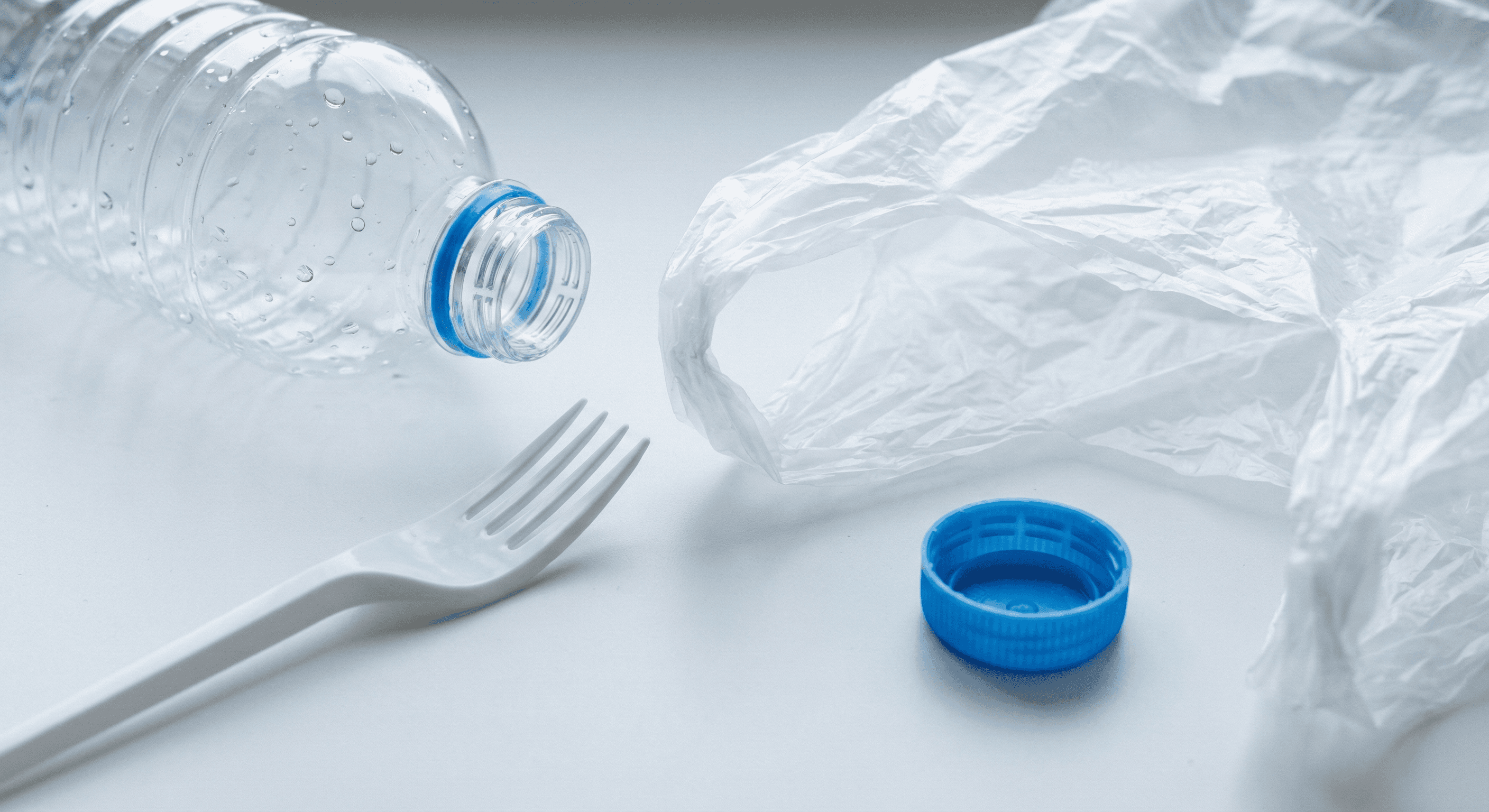
The Problem: The global plastic pollution crisis requires innovative, biodegradable plastic solutions.
The Solution: EvoNatura recently collaborated with a dedicated engineering capstone team at Penn State to test our proprietary encapsulated microbial additive when integrated into commercial polymers.
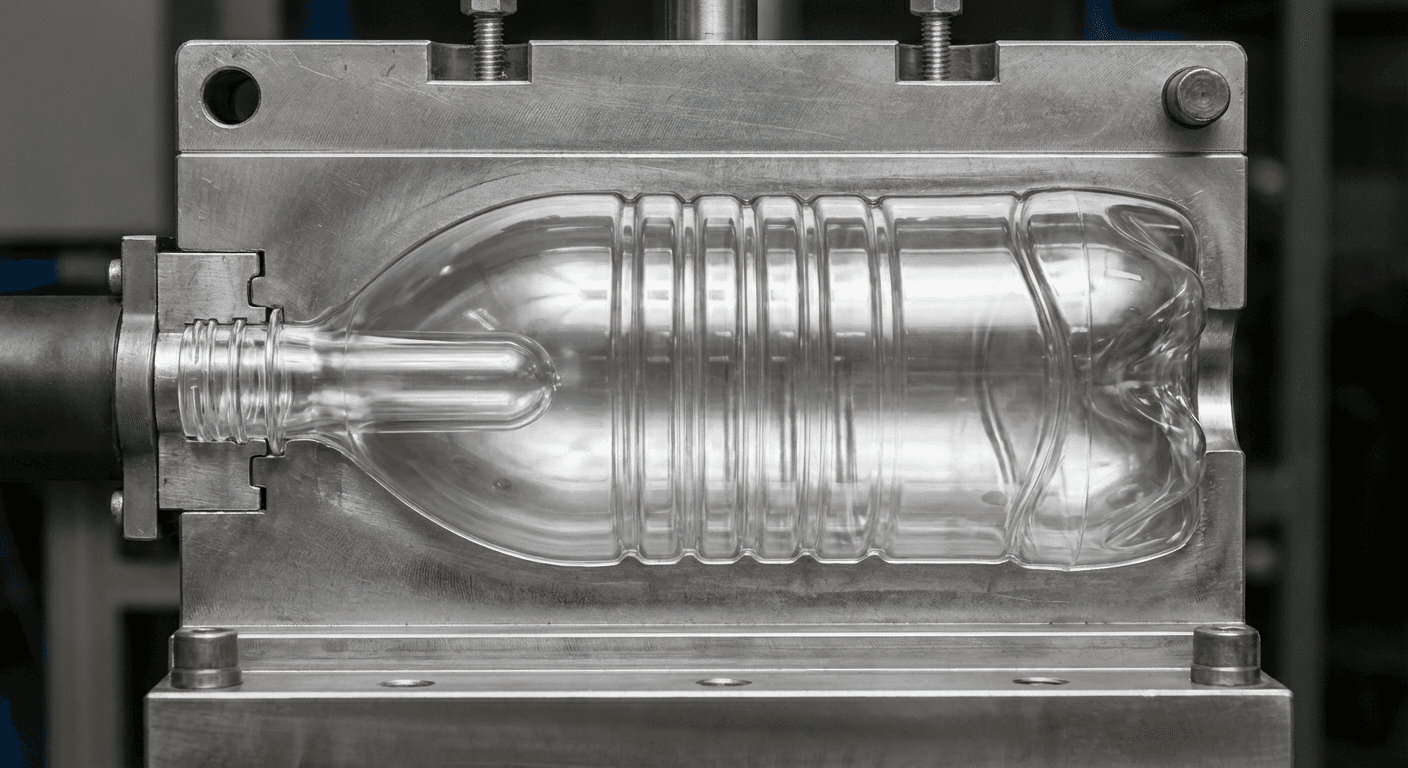
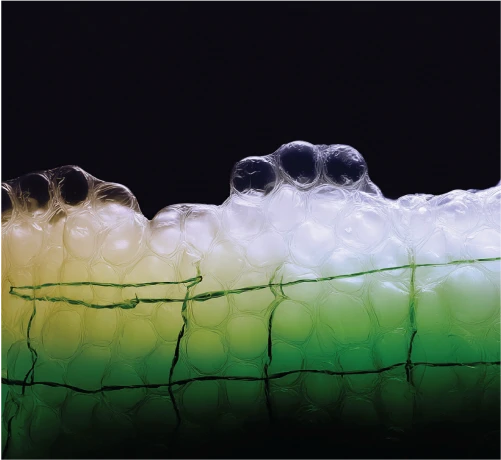
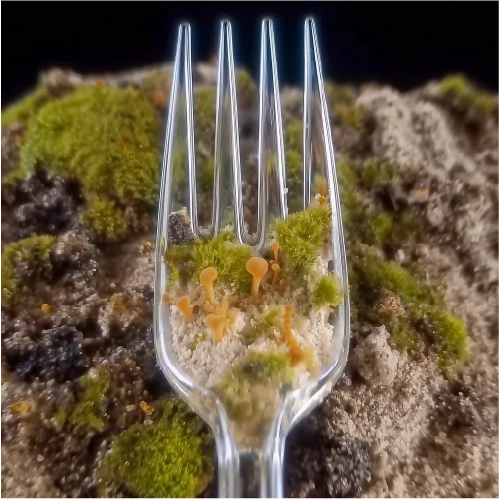
Our technology leverages active biological components to enable controlled, post-use degradation, aiming to reduce long-term environmental impact without leaving behind persistent microplastics. To thoroughly test the additive's resilience in sustainable polymer manufacturing, the capstone team compounded the material using twin-screw extrusion to measure its thermal stability, processability, and mechanical performance.
Exciting Breakthroughs in Thermal and Mechanical Stability
The research yielded highly positive results, particularly when compounding our eco-friendly plastic additive with Polylactic acid (PLA). Key findings include:
Impressive Thermal Operating Window: Differential scanning calorimetry (DSC) testing revealed that the additive remains thermally stable at high processing temperatures, exhibiting no notable phase changes throughout the tested range.
Excellent Processability: During extrusion, the PLA runs produced clear, uniform filaments. Temperatures remained stable with no visible signs of additive or polymer degradation.
Maintained Mechanical Integrity: Tensile testing showed that the extrusion process itself had a limited impact on the plastic's strength, causing only a negligible reduction in ultimate tensile strength.
Proven Survivability: Crucially, survivability testing confirmed that the active biological components successfully survived the compounding process at industry-standard temperatures, proving the core viability of the technology.
Valuable Learnings for Future Development
The rigorous testing also provided invaluable data to optimize our manufacturing processes. While PLA proved to be a highly suitable polymer due to lower shear heating, testing with Linear-low density polyethylene (LLDPE) presented distinct learning opportunities.
During twin-screw extrusion, LLDPE naturally experienced high shear heating, which caused internal temperatures to spike. These specific processing conditions created an environment that was too harsh for the biological components to survive.
These findings are instrumental in guiding our next steps. We now know that for certain flexible polymers, alternative processing methods—such as lower-shear single-screw extrusion—or further enhancements to the encapsulation's heat resistance will be key to successful integration.
We extend our deepest gratitude to the Penn State capstone team and their faculty for their rigorous testing, hard work, and brilliant insights. Their research marks a fantastic milestone in our journey toward a greener future.