Engineering Plastics to Expire.

The world's first drop-in microbial additive for plastic manufacturers

Image sequence frame
Icon representing addition or the positive impact of the additive.

Drop-In

Designed to work with existing equipment and production lines. No expensive overhauls, no complicated changes.

Icon symbolizing microbial action and the structure of the bioactive component.

EPR Compliance

Protect your products against EPR laws and single-use plastic bans with ASTM and TÜV AUSTRIA compliance.

Icon symbolizing increasing heat or polymer thermal stability.

Thermal Stable

Engineered to stay stable during high-temperature manufacturing, working with current production methods.

Enable ambient biodegradation of your compostable plastics to reduce EPR fees

EU PPWR and California SB 54 are pushing packaging toward genuine compostability and recyclability, with SB 54's eco-modulated fee credits for certified compostable materials arriving in 2029. Get positioned ahead of it now.

Enable ambient biodegradation of your compostable plastics to reduce EPR fees

EU PPWR and California SB 54 are pushing packaging toward genuine compostability and recyclability, with SB 54's eco-modulated fee credits for certified compostable materials arriving in 2029. Get positioned ahead of it now.

Enable ambient biodegradation of your compostable plastics to reduce EPR fees

EU PPWR and California SB 54 are pushing packaging toward genuine compostability and recyclability, with SB 54's eco-modulated fee credits for certified compostable materials arriving in 2029. Get positioned ahead of it now.

Backed by:

Frequently Asked Questions

How is EvoNatura's microbial additive different from enzyme and oxo-degradable additives?

EvoNatura’s thermally-stable microbial technology solves the core failures of traditional plastic additives. Unlike oxo-degradables that fragment into banned microplastics, or fragile enzymes that burn out during high-heat processing, EvoNatura offers a drop-in solution engineered for high-heat manufacturing and complete, eco-compliant biodegradation.

Will does the additive work with our existing plastic processing systems and equipment?

Our additive is designed as a drop-in solution that works with existing compounding and production lines. Lab testing shows processing stability up to 220°C, widening standard processing windows.

What stage of development is EvoNatura's microbial additive technology?

At Technology Readiness Level (TRL) 5, our microbial additive has transitioned to pilot scale testing. These pilots will test the technology at commercial scale with manufacturing partners, while we complete ASTM testing, ensuring your compostable plastics exceed industry standards for performance and biodegradability.

What does it cost?

EvoNatura is designed to deliver a net-positive ROI by helping brands avoid steep EPR non-compliance fees (such as EU PPWR and California SB 54). With zero CapEx required, costs are calculated based on your target loading rate and production scale.

Which certifications does EvoNatura's microbial additive follow?

Our microbial technology is designed to align with major compliance frameworks like California SB 54 and EU PPWR. We are validating our performance against ASTM D6400 and EN 13432 standards to achieve BPI and TÜV Austria Home Compostability certifications.

How can a plastic manufacturer and packaging company get involved?

We're actively piloting with manufacturing partners and expanding to a small number of additional partners. If you're interested in testing this technology and helping validate it at commercial scale, let's talk.
Ready to lead the next era of plastics?

Join our 2026 commercial pilot program, offering co-development input, early-access pricing, and regulatory first-mover advantage.

Close-up of a dark green leaf showing its textured surface.
Abstract bubble wrap texture with dark netting.
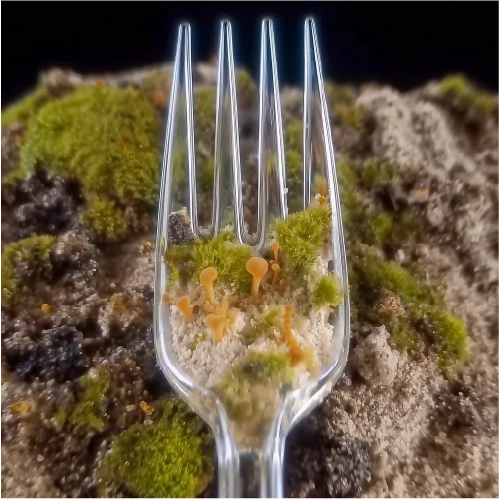
Disposable plastic fork in soil filled with moss and tiny fungi.
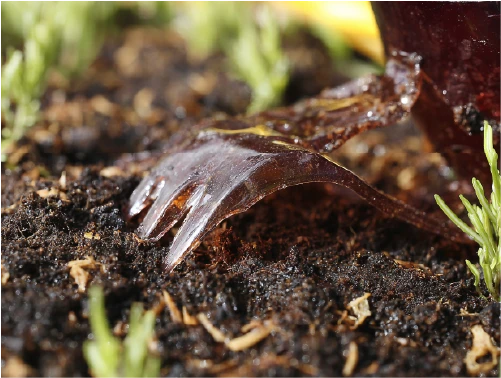
A plastic fork biodegrading in soil
Close-up of a dark green leaf showing its textured surface.
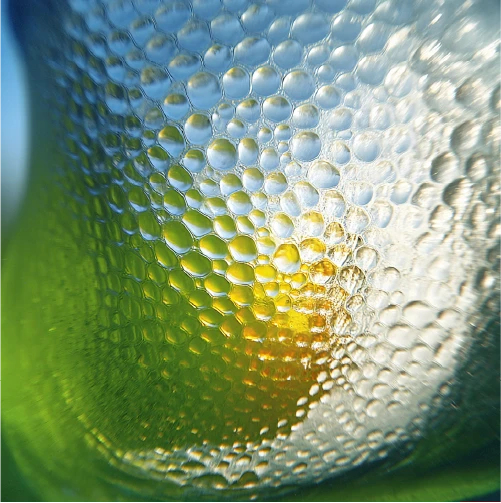
Abstract texture of polymer bubbles with vibrant green and yellow reflections.
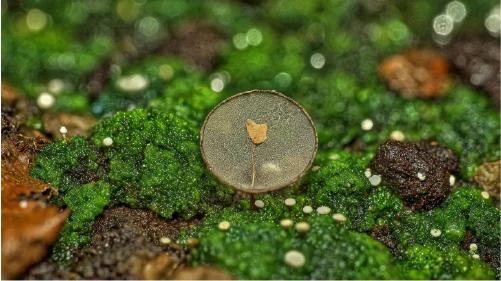
Small gray circular fungi structure emerging from green mossy soil.
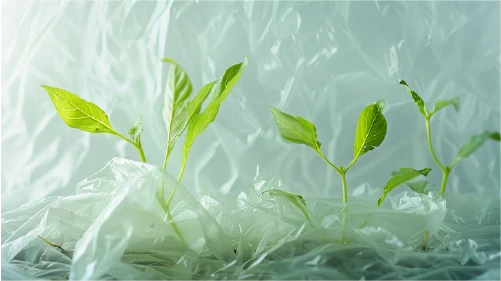
Green plant life sprouting through clear, engineered plastic film.
Close-up of a dark green leaf showing its textured surface.

Ready to lead the next era of plastics?

Join our 2026 commercial pilot program, offering co-development input, early-access pricing, and regulatory first-mover advantage.

Close-up of a dark green leaf showing its textured surface.
Abstract bubble wrap texture with dark netting.
Disposable plastic fork in soil filled with moss and tiny fungi.
A plastic fork biodegrading in soil
Close-up of a dark green leaf showing its textured surface.
Abstract texture of polymer bubbles with vibrant green and yellow reflections.
Small gray circular fungi structure emerging from green mossy soil.
Green plant life sprouting through clear, engineered plastic film.
Close-up of a dark green leaf showing its textured surface.

Ready to lead the next era of plastics?

Join our 2026 commercial pilot program, offering co-development input, early-access pricing, and regulatory first-mover advantage.

Close-up of a dark green leaf showing its textured surface.
Abstract bubble wrap texture with dark netting.
Disposable plastic fork in soil filled with moss and tiny fungi.
A plastic fork biodegrading in soil
Close-up of a dark green leaf showing its textured surface.
Abstract texture of polymer bubbles with vibrant green and yellow reflections.
Small gray circular fungi structure emerging from green mossy soil.
Green plant life sprouting through clear, engineered plastic film.
Close-up of a dark green leaf showing its textured surface.